
It’s not just about “thinking differently”—it involves calming your body, rebuilding a sense of safety, and restoring balance between your mind and nervous system.
Understanding the Nervous System
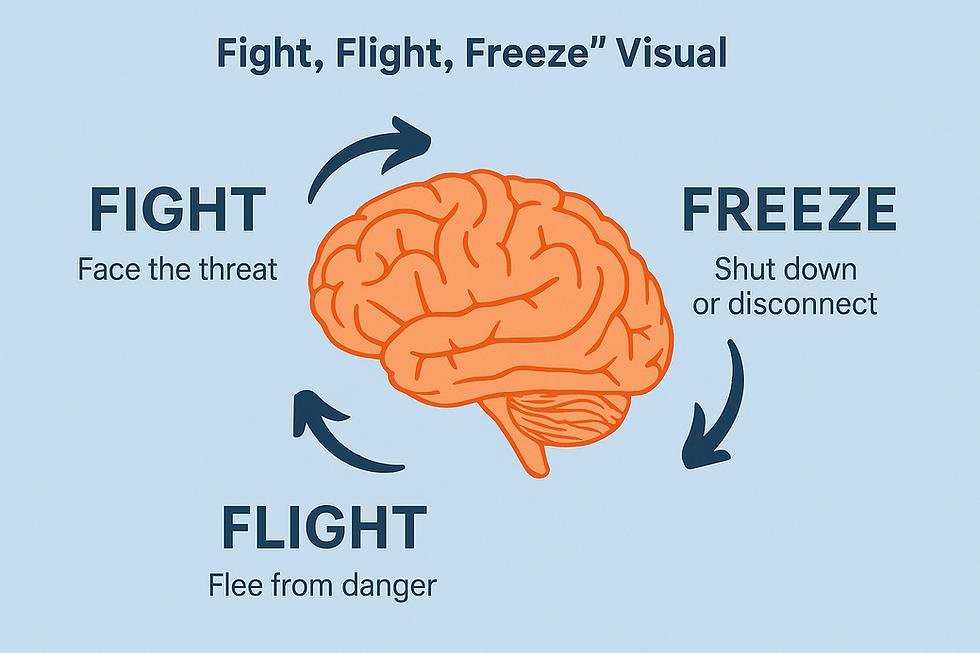
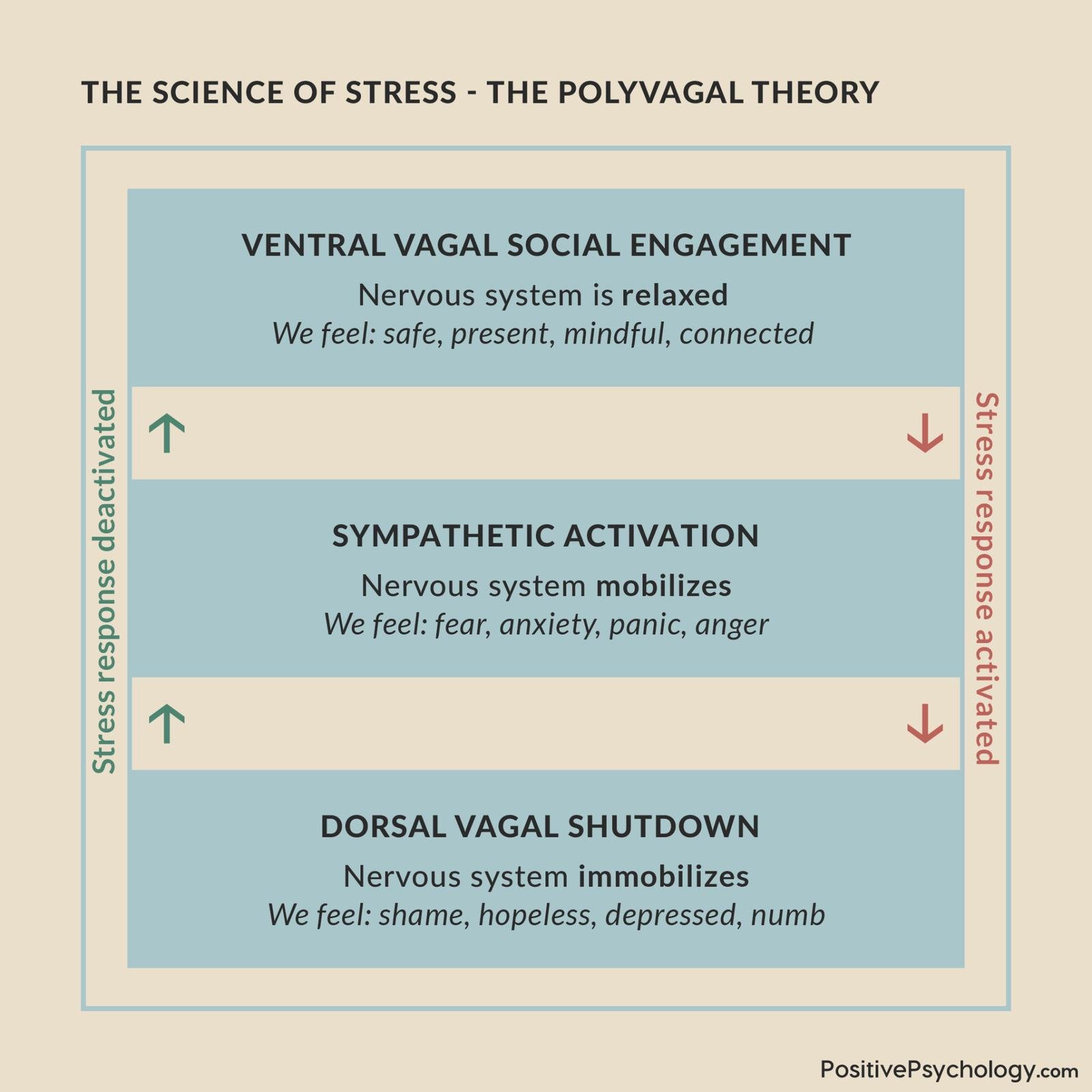
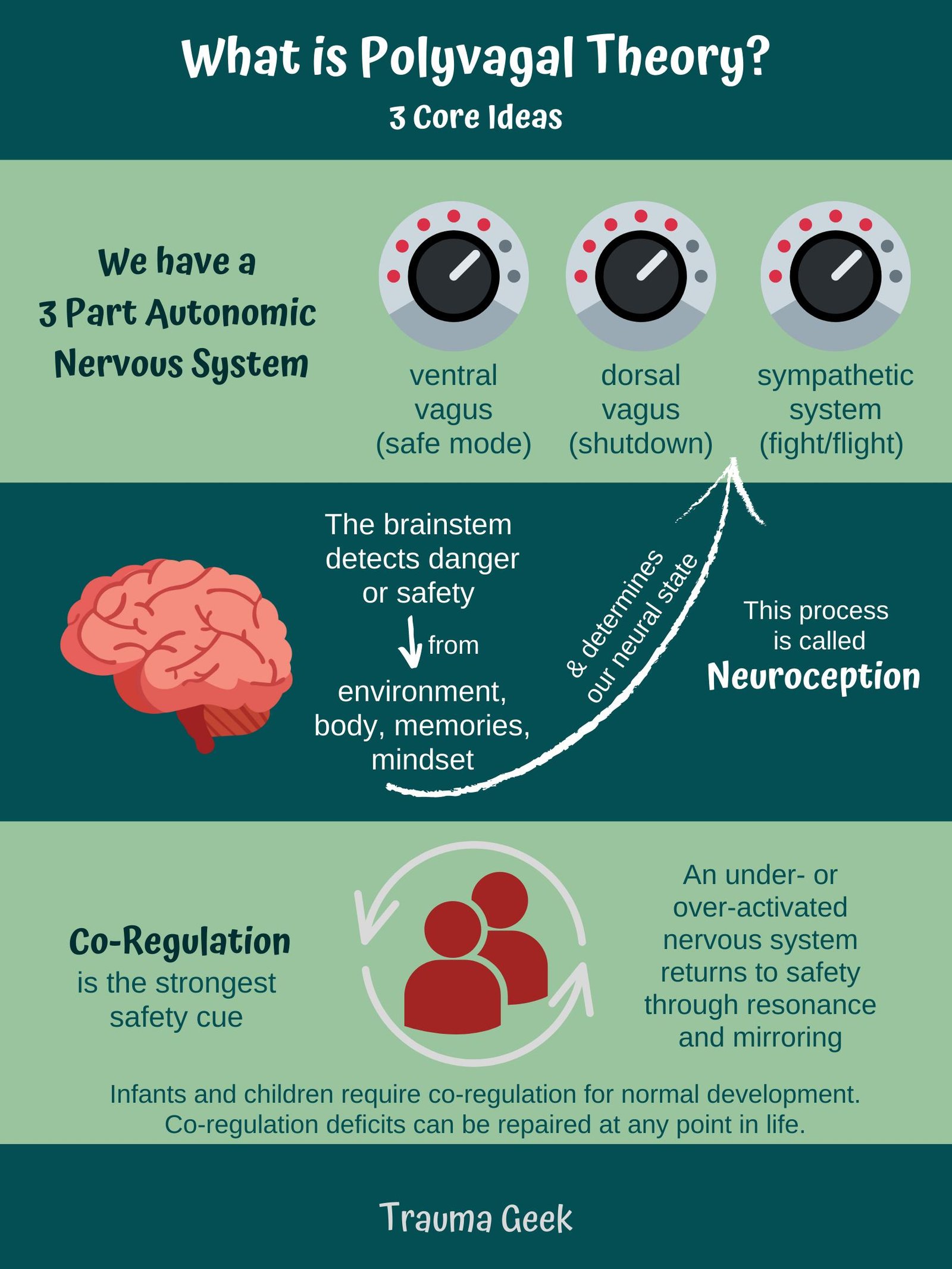
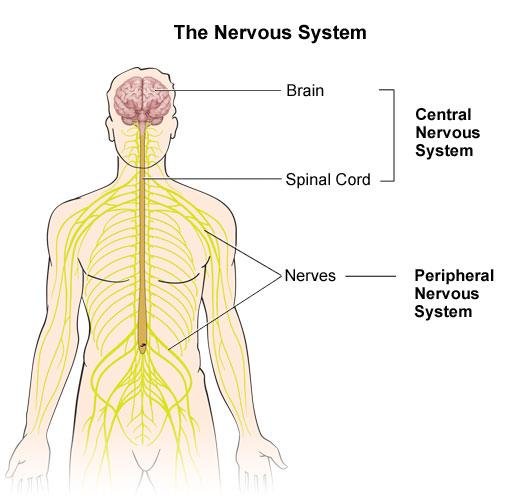
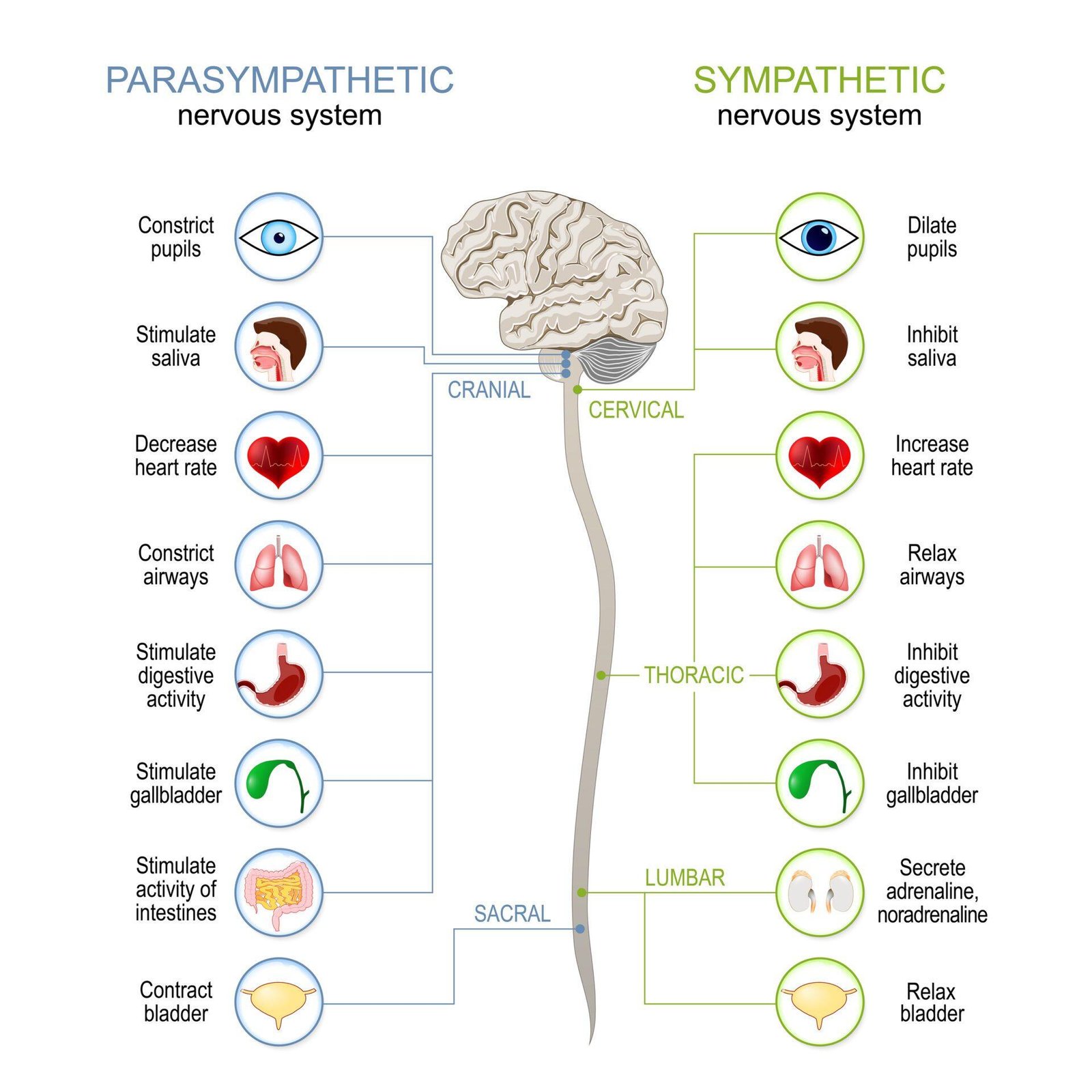
Your nervous system has two main states:
- Sympathetic (fight/flight/freeze) – activated during stress or trauma
- Parasympathetic (rest, digest, heal) – activated when you feel safe
Trauma can keep your body “stuck” in survival mode, even when danger is gone. Healing focuses on gently bringing your system back into balance.
1. Regulate Through the Body (Bottom-Up Healing)



Start with the body—not just the mind.
Helpful practices:
- Deep, slow breathing (e.g., inhale 4 seconds, exhale 6–8 seconds)
- Gentle yoga or stretching
- Body scan meditation
- Grounding exercises (notice 5 things you see, 4 you feel, etc.)
These send signals of safety to your brain.
2. Work With the Mind (Top-Down Healing)


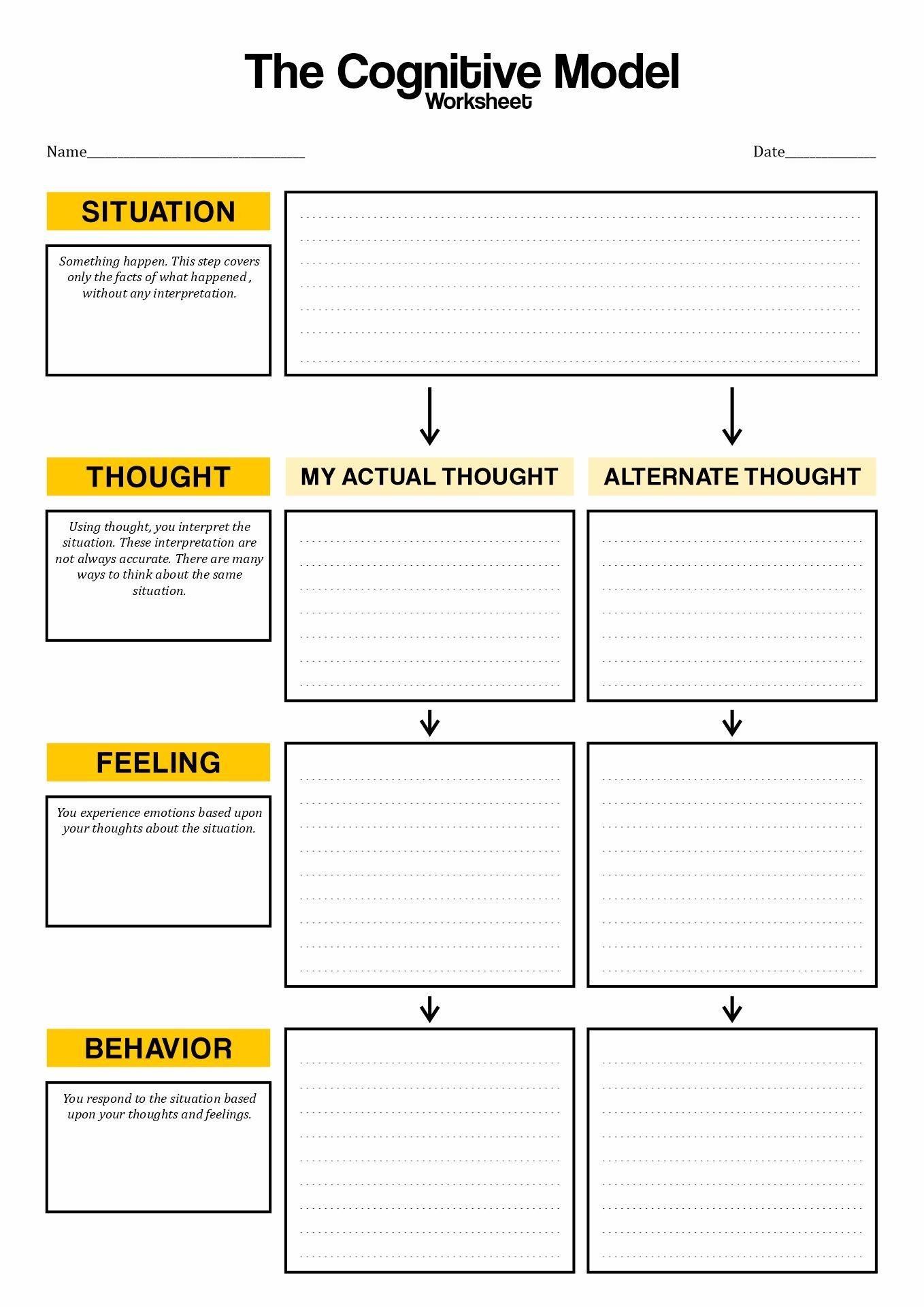


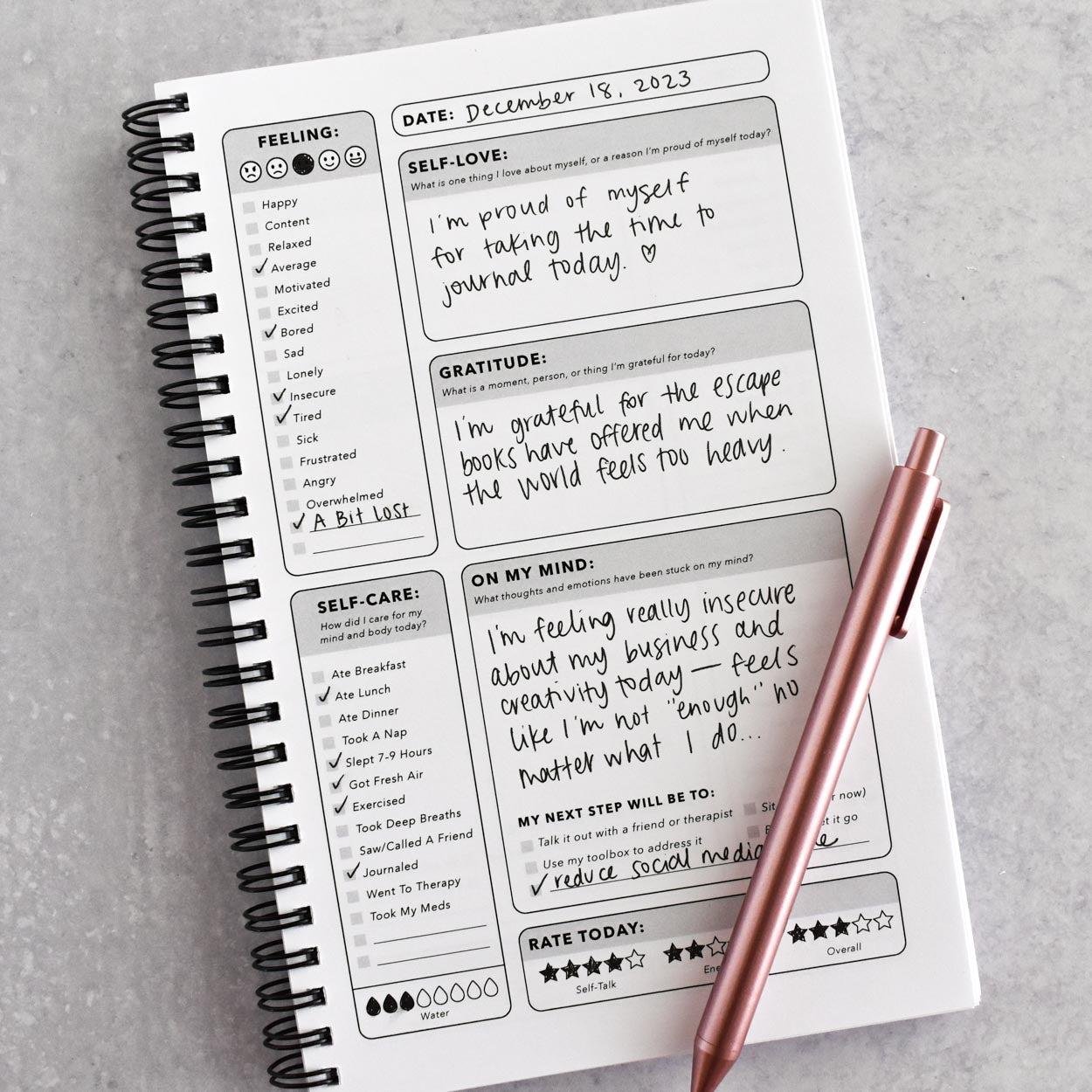
Once your body is calmer, your mind can process trauma more effectively.
Approaches:
- Journaling thoughts and emotions
- Mindfulness meditation
- Therapy (CBT, EMDR, somatic therapy)
- Reframing negative thought patterns
3. Create Safety and Routine




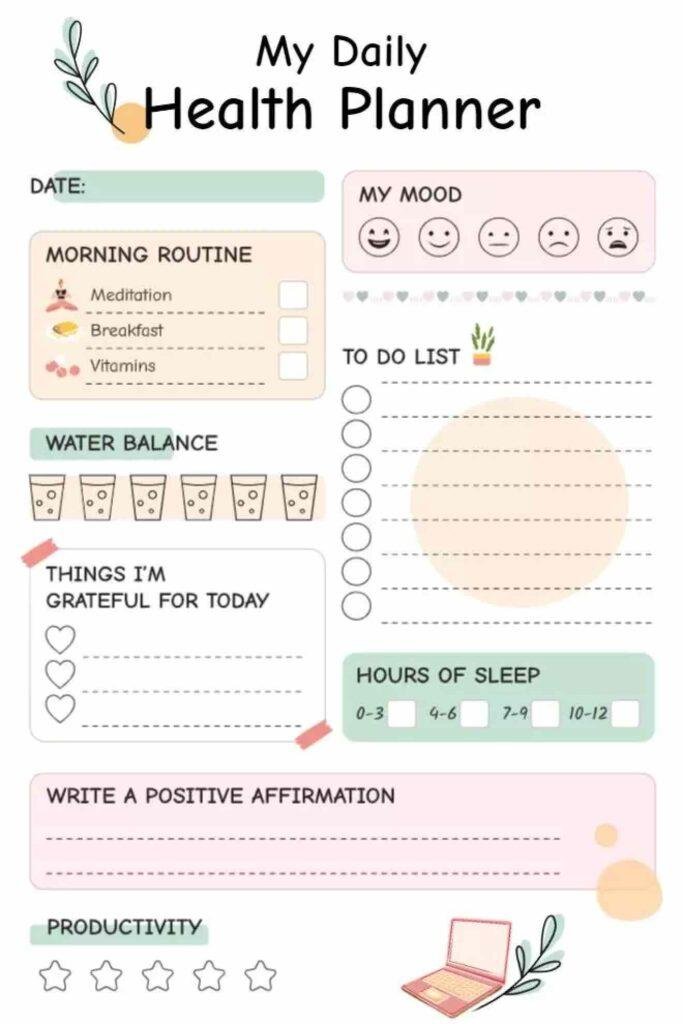


Your nervous system heals when it feels safe consistently.
Build safety by:
- Maintaining regular sleep and meal times
- Creating a calm, predictable routine
- Spending time in safe, supportive environments
- Limiting overstimulation (news, social media)
4. Connect With Others




Humans regulate through connection.
- Talk to trusted friends or family
- Join support groups
- Work with a trauma-informed therapist
Feeling seen and understood helps your nervous system settle.
5. Support With Lifestyle and Nutrition







- Eat balanced meals (especially omega-3s, magnesium-rich foods)
- Spend time in nature
- Exercise regularly (even walking helps)
- Stay hydrated
- Limit caffeine and alcohol
6. Be Patient—Healing Takes Time
- Trauma healing is not linear
- You may feel better, then triggered again—that’s normal
- Small, consistent steps matter more than quick fixes
7. When to Seek Professional Help
Consider support if you experience:
- Persistent anxiety, panic, or depression
- Flashbacks or intrusive thoughts
- Sleep problems or emotional numbness
A licensed therapist trained in trauma can guide you safely.