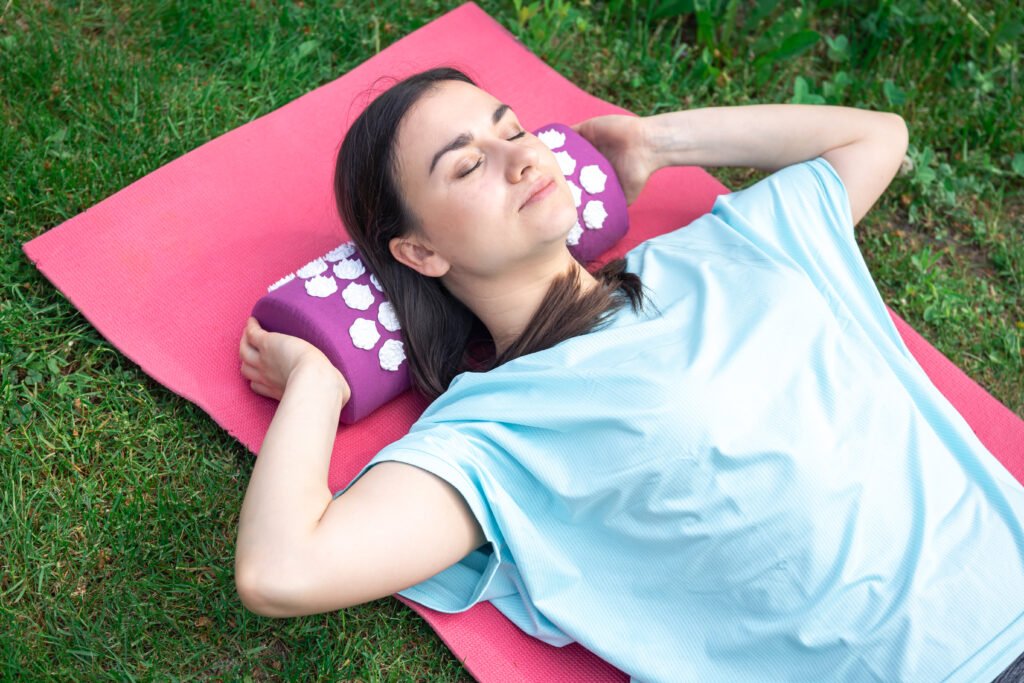
1. Deep Breathing & Relaxation
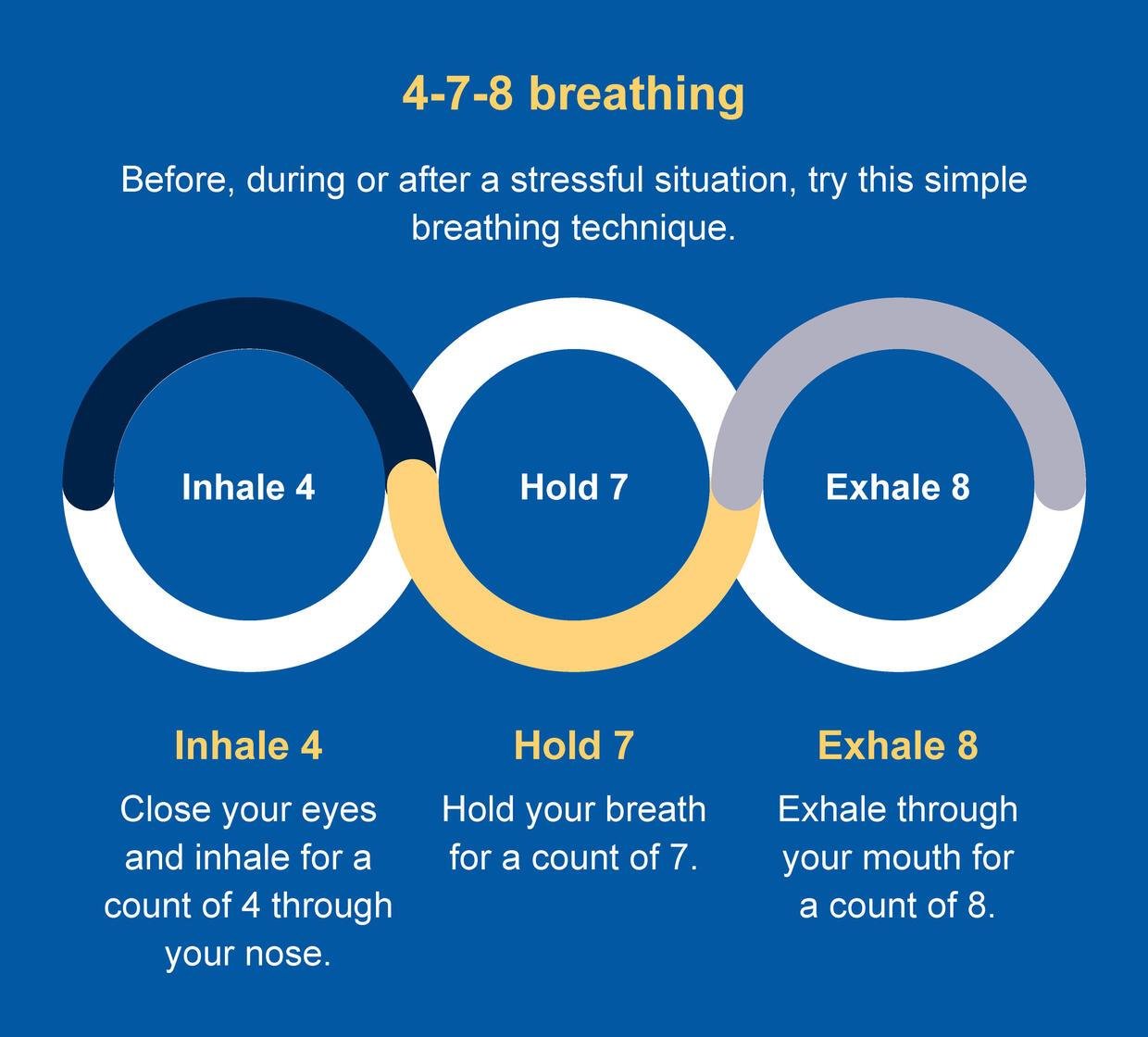
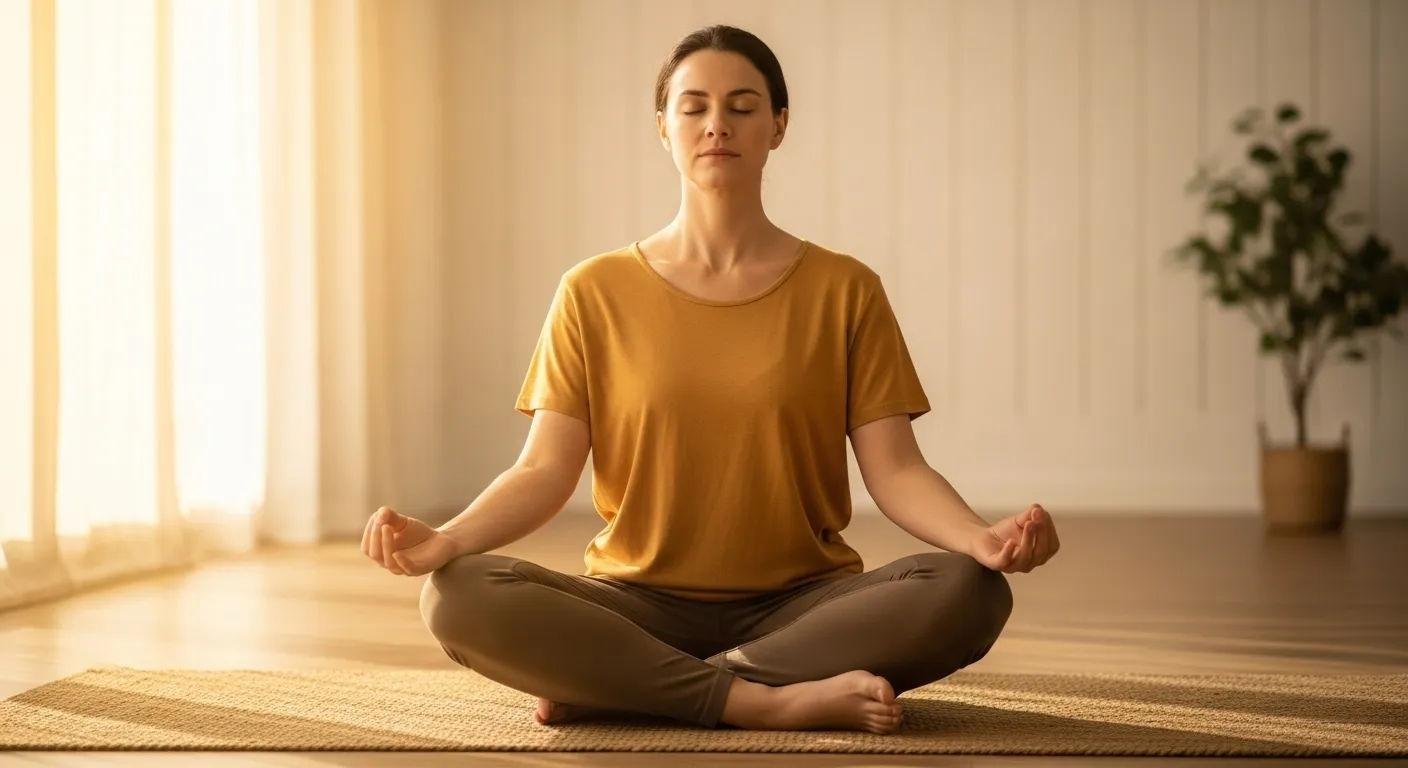
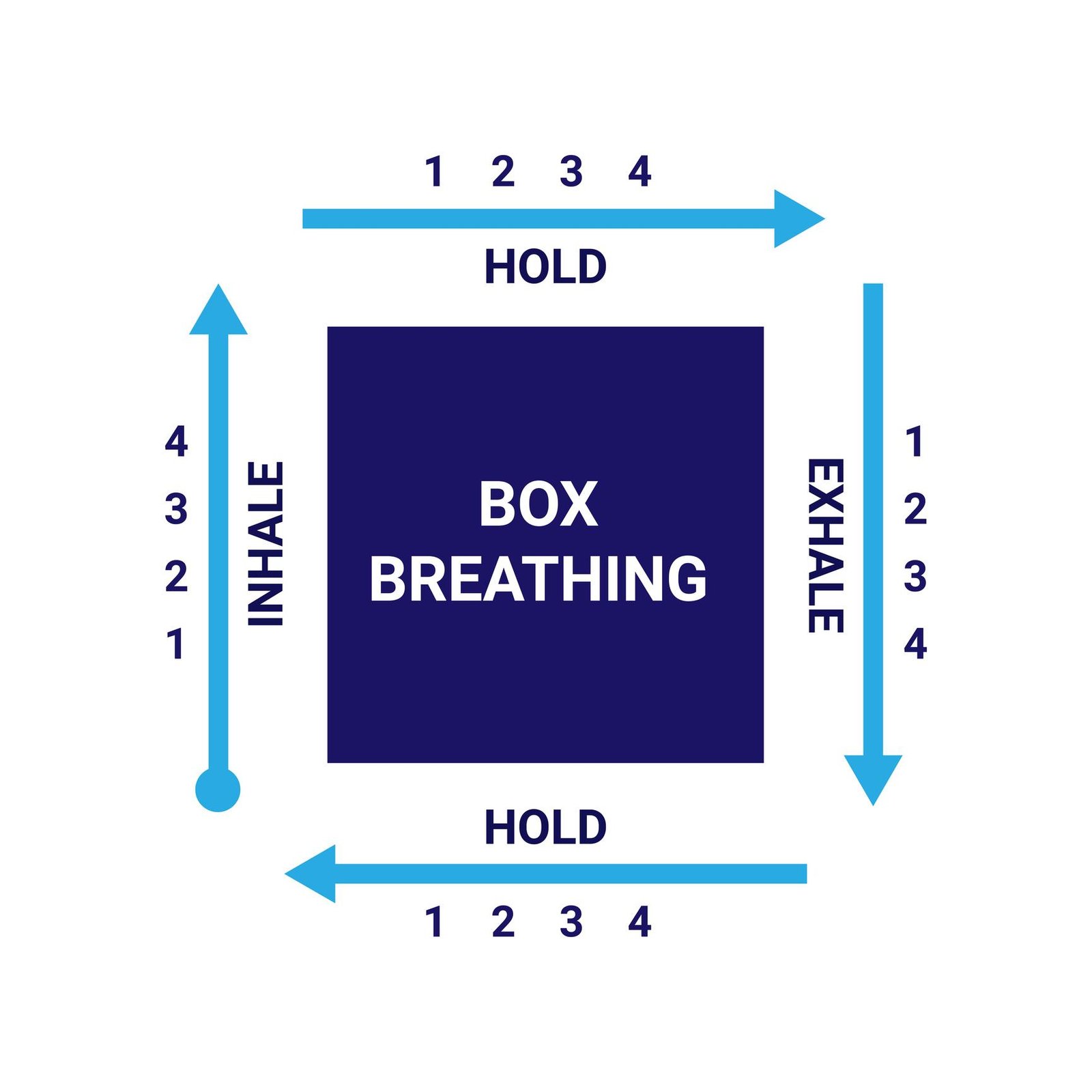
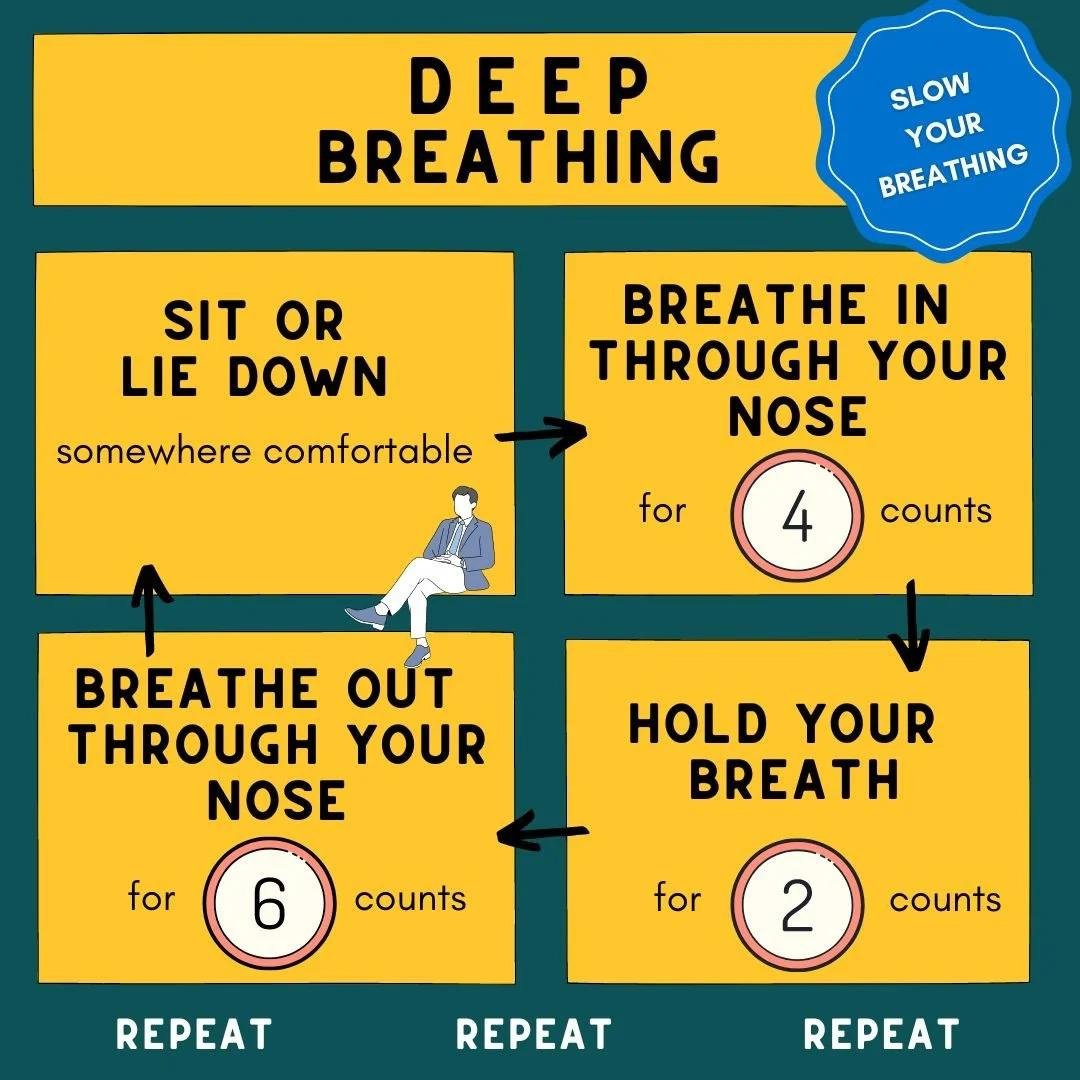
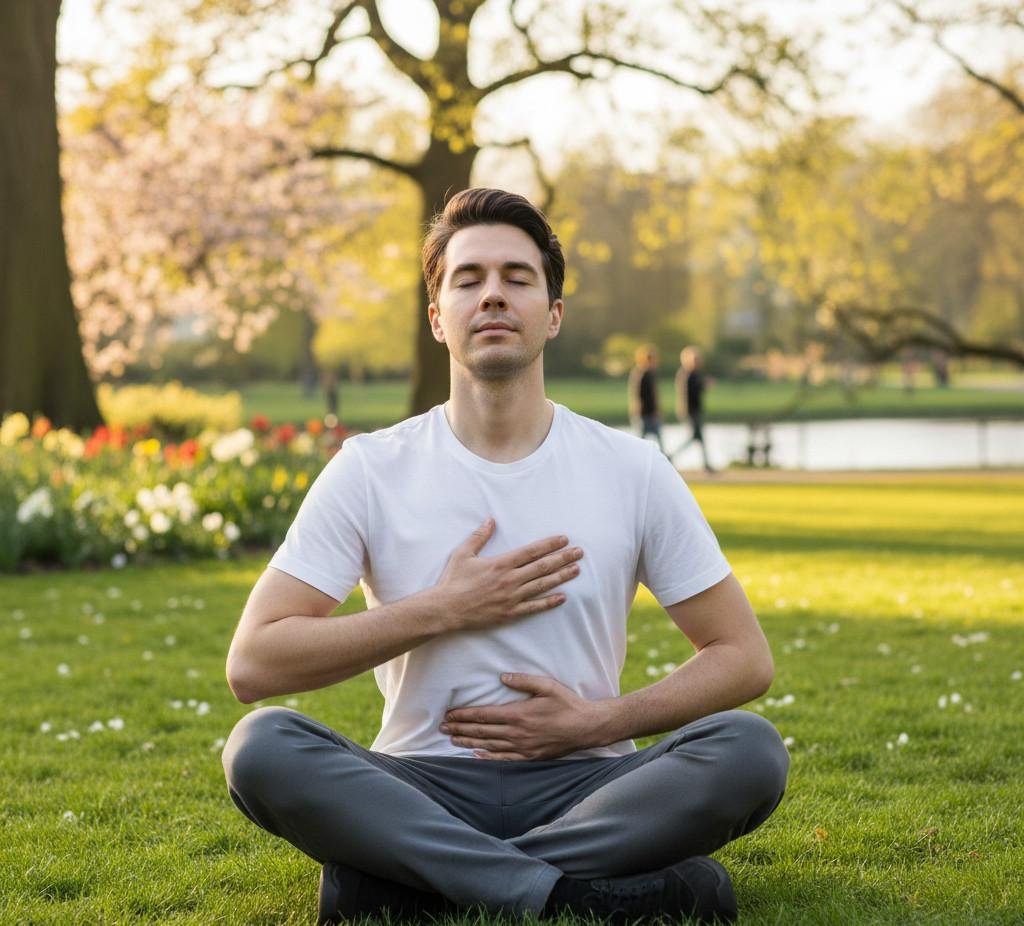
Slow, controlled breathing signals your brain to relax.
- Try the 4-7-8 technique: inhale 4 seconds → hold 7 → exhale 8
- Practice for 5–10 minutes daily
- Helps lower heart rate and reduce stress hormones
2. Mindfulness & Meditation
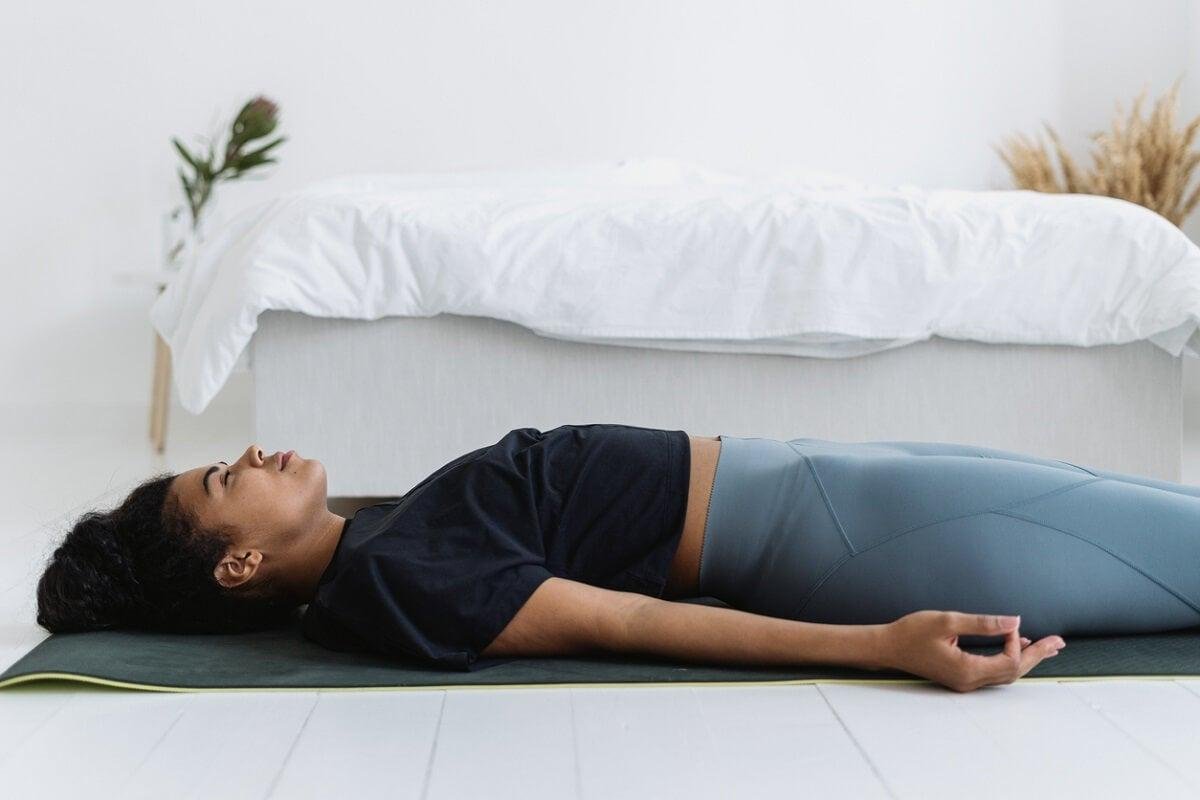
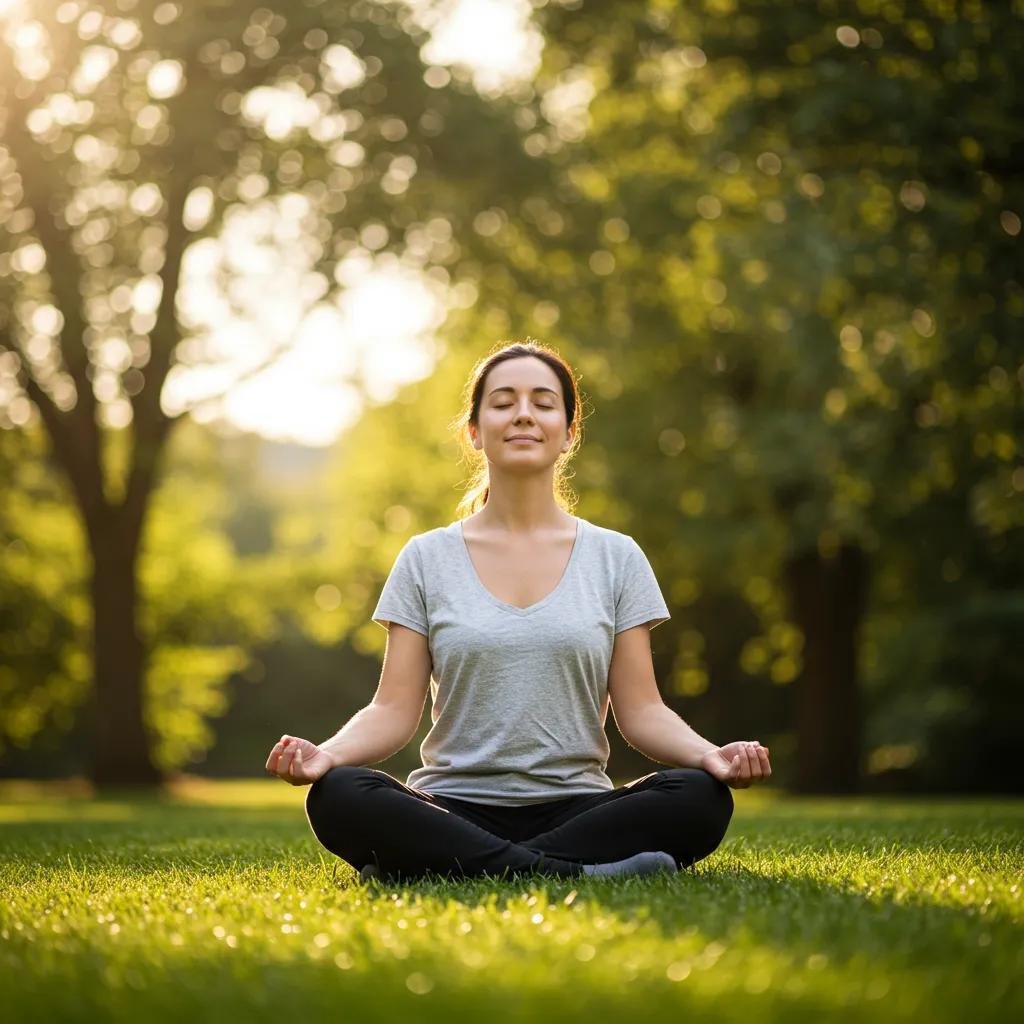
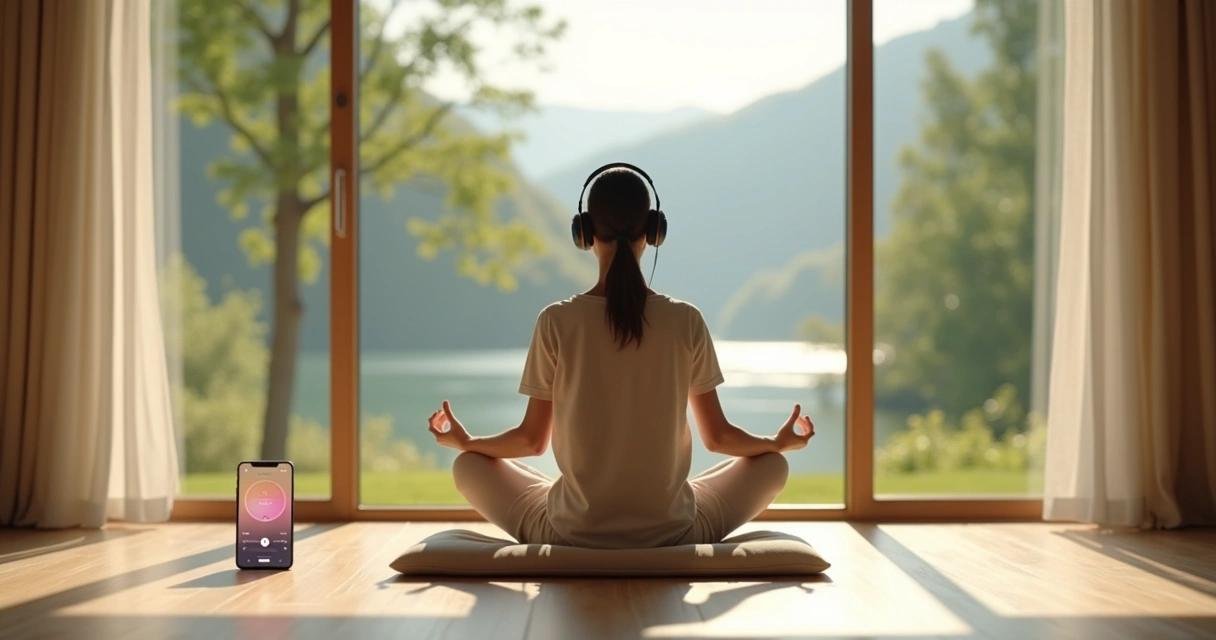
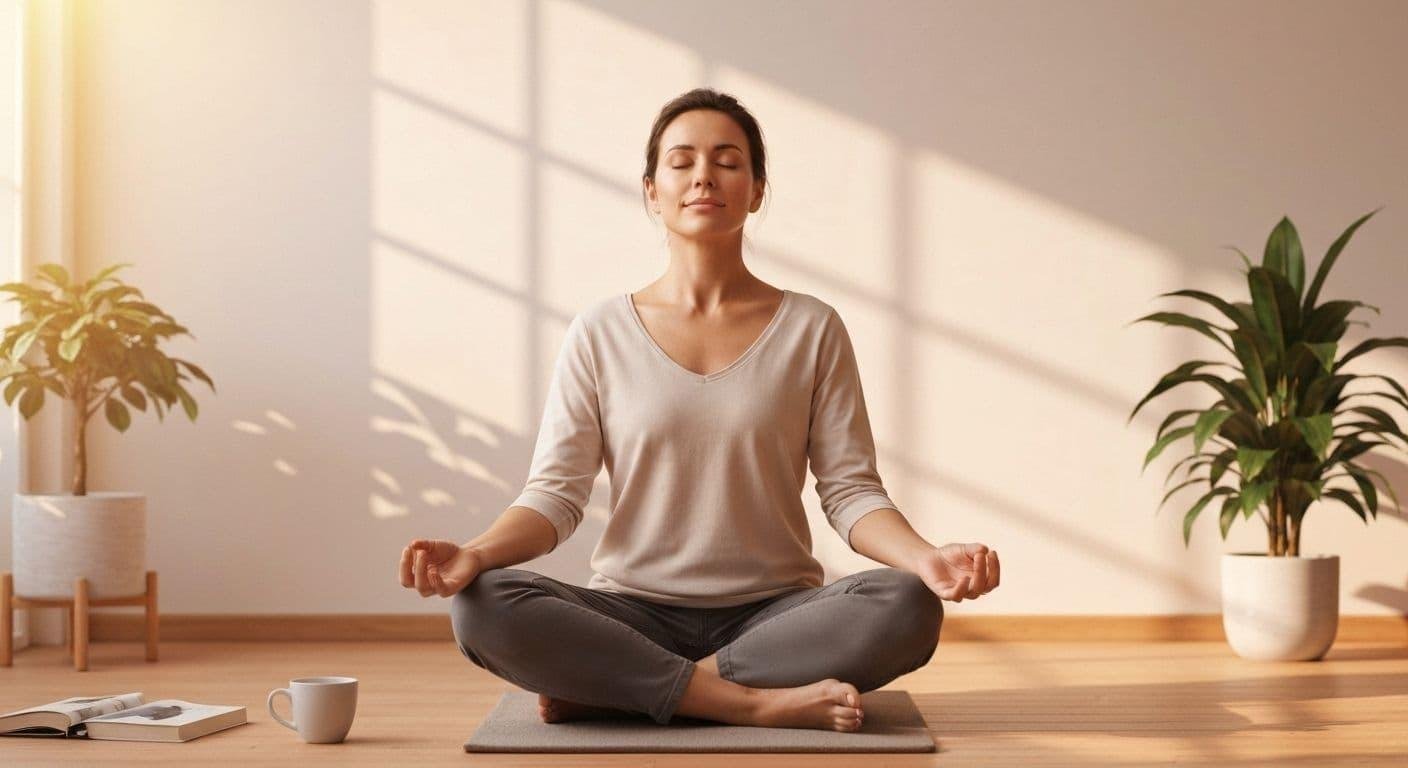
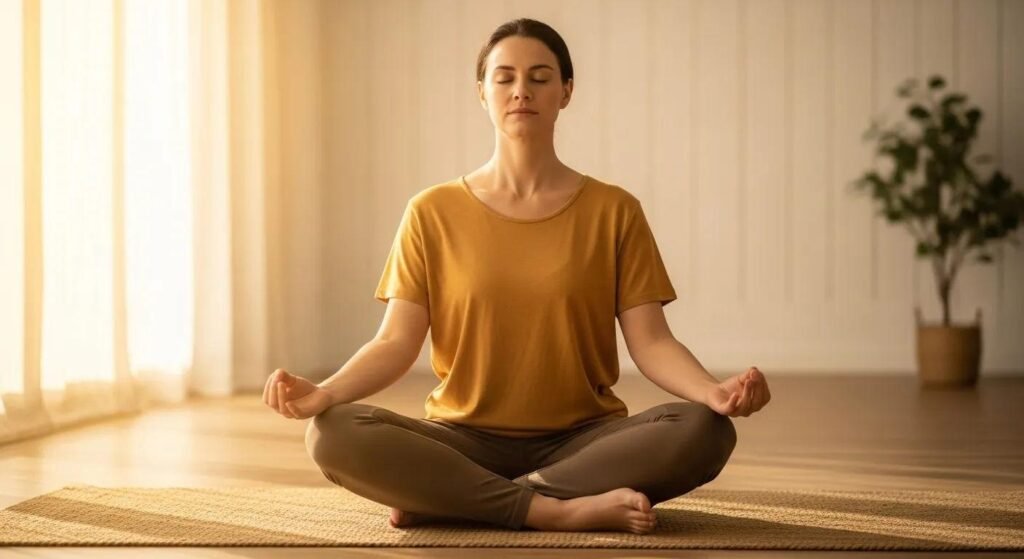
Staying present reduces overthinking and worry.
- Focus on your breath or surroundings
- Use guided meditation apps if needed
- Even 10 minutes a day can make a difference
3. Regular Physical Activity


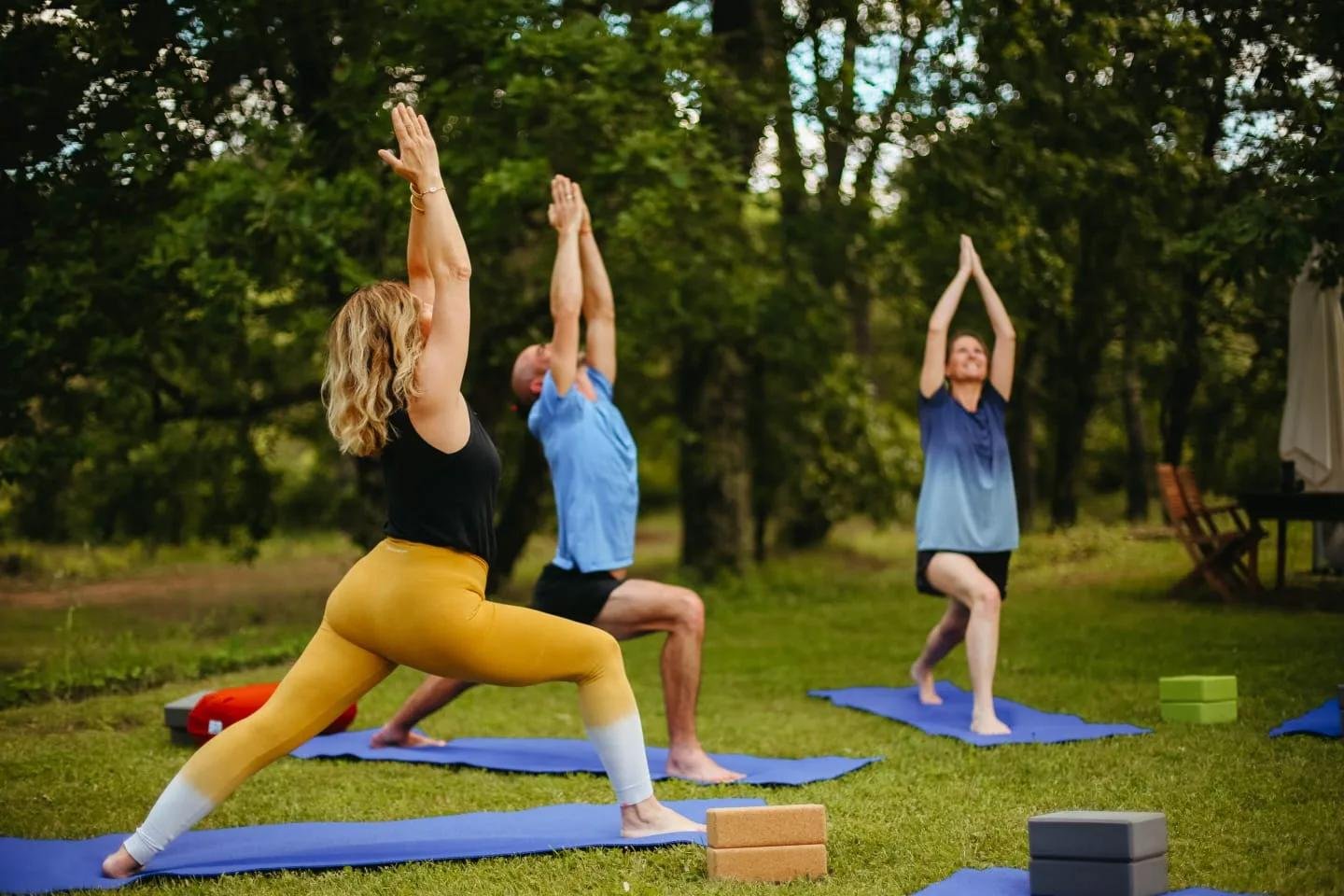

Exercise naturally boosts mood and reduces anxiety.
- Walking, jogging, yoga, or dancing
- Aim for at least 20–30 minutes most days
- Releases endorphins (your “feel-good” hormones)
4. Healthy Diet & Herbal Support



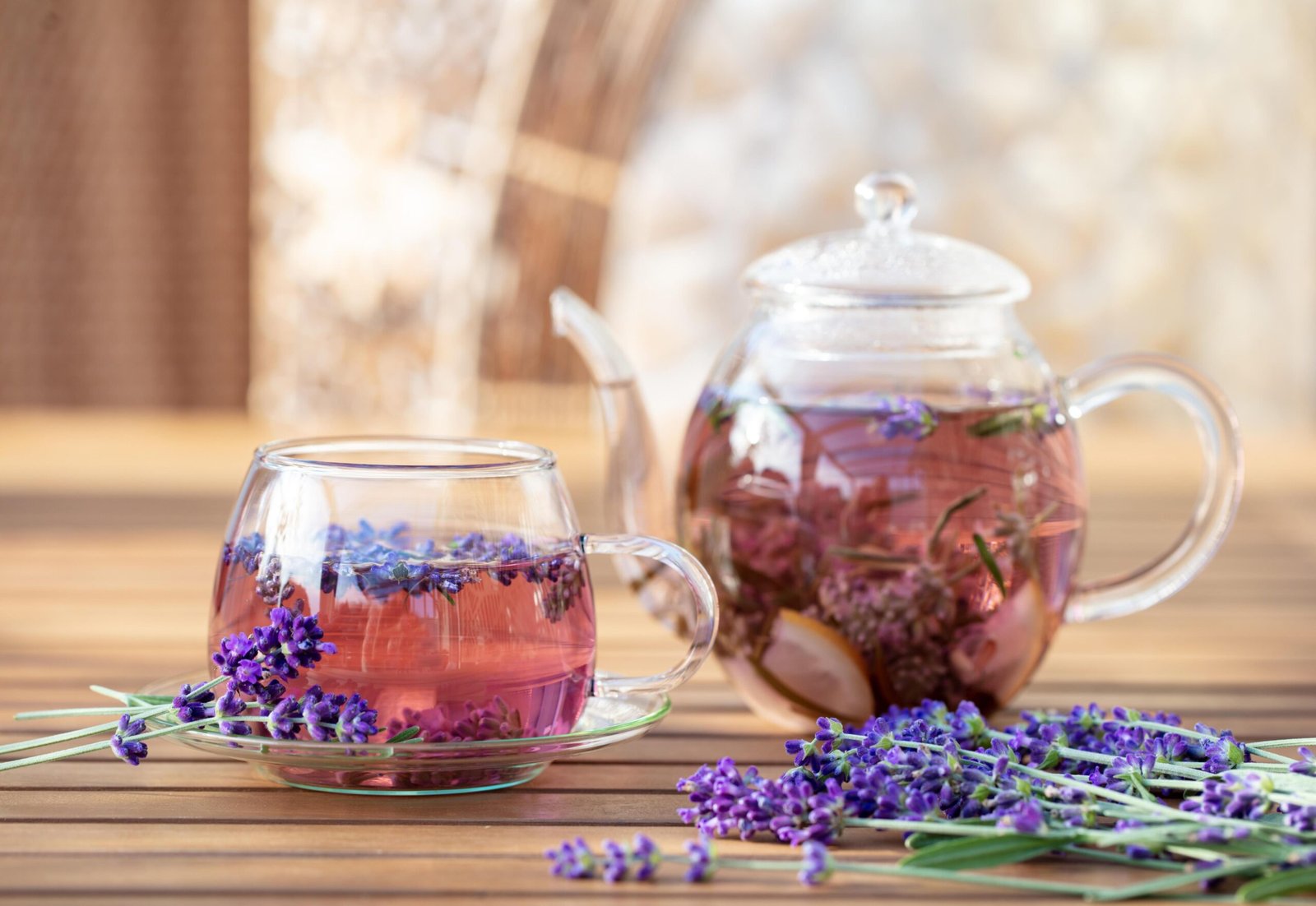

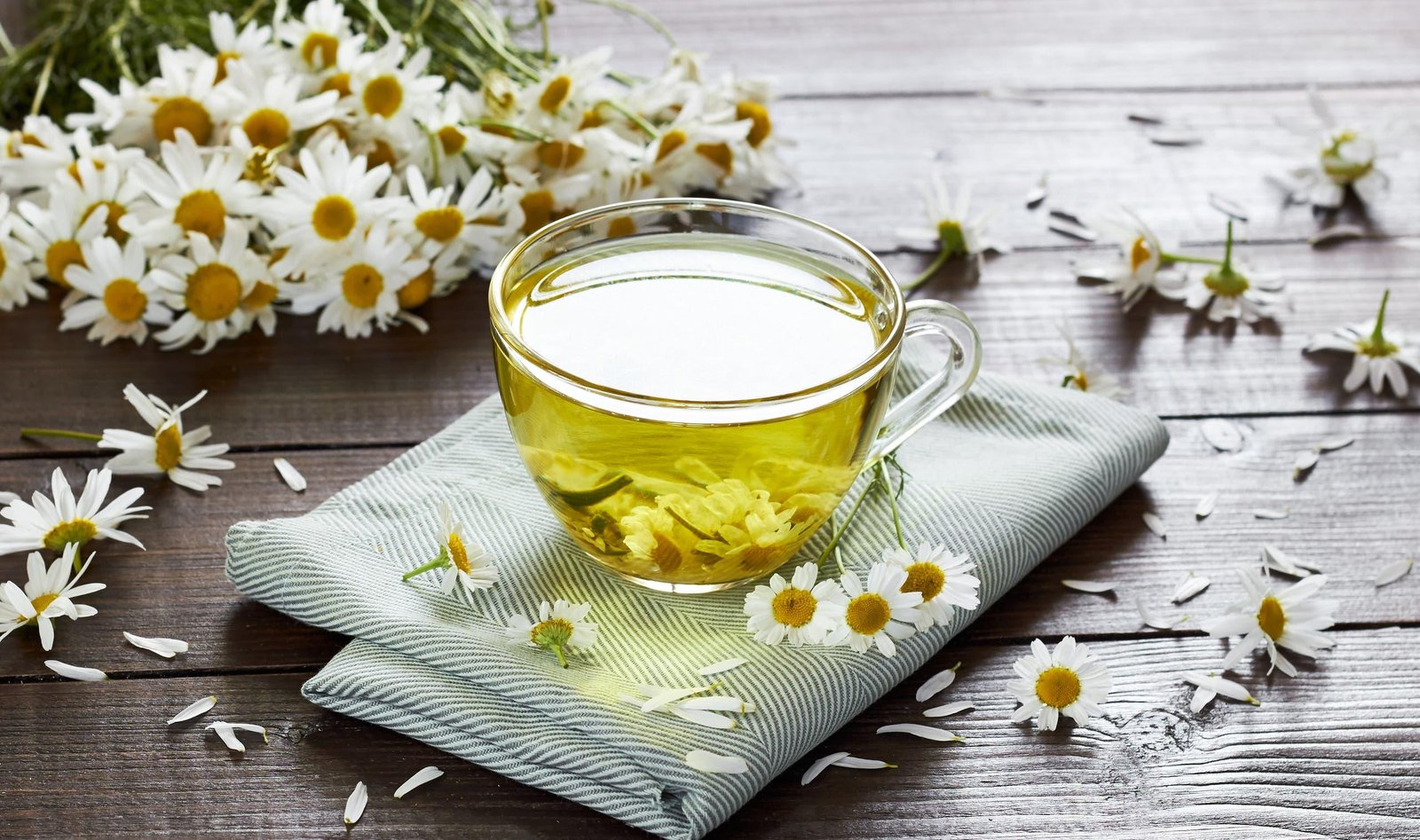
What you eat affects how you feel.
- Reduce caffeine and sugar
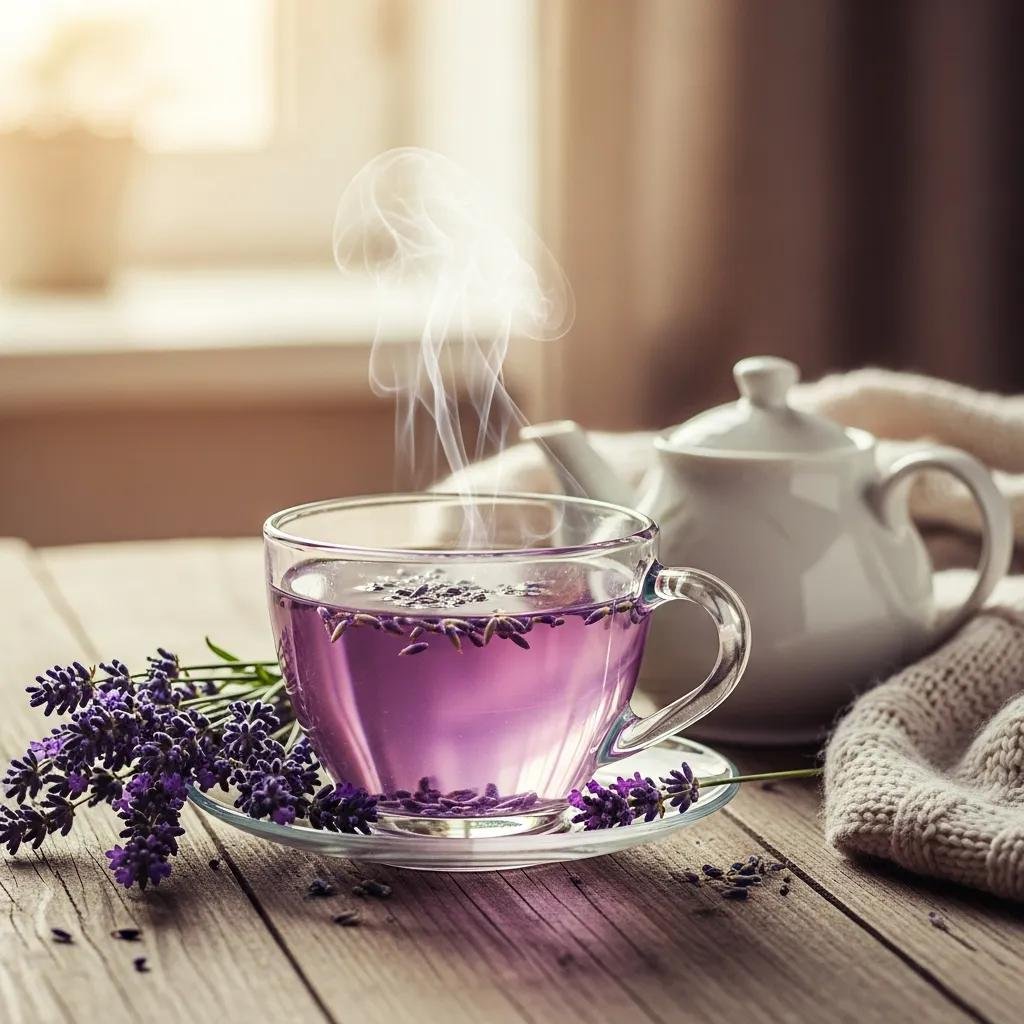
- Try calming teas (chamomile, lavender)
- Eat balanced meals with fruits, veggies, and whole grains
5. Improve Sleep Routine


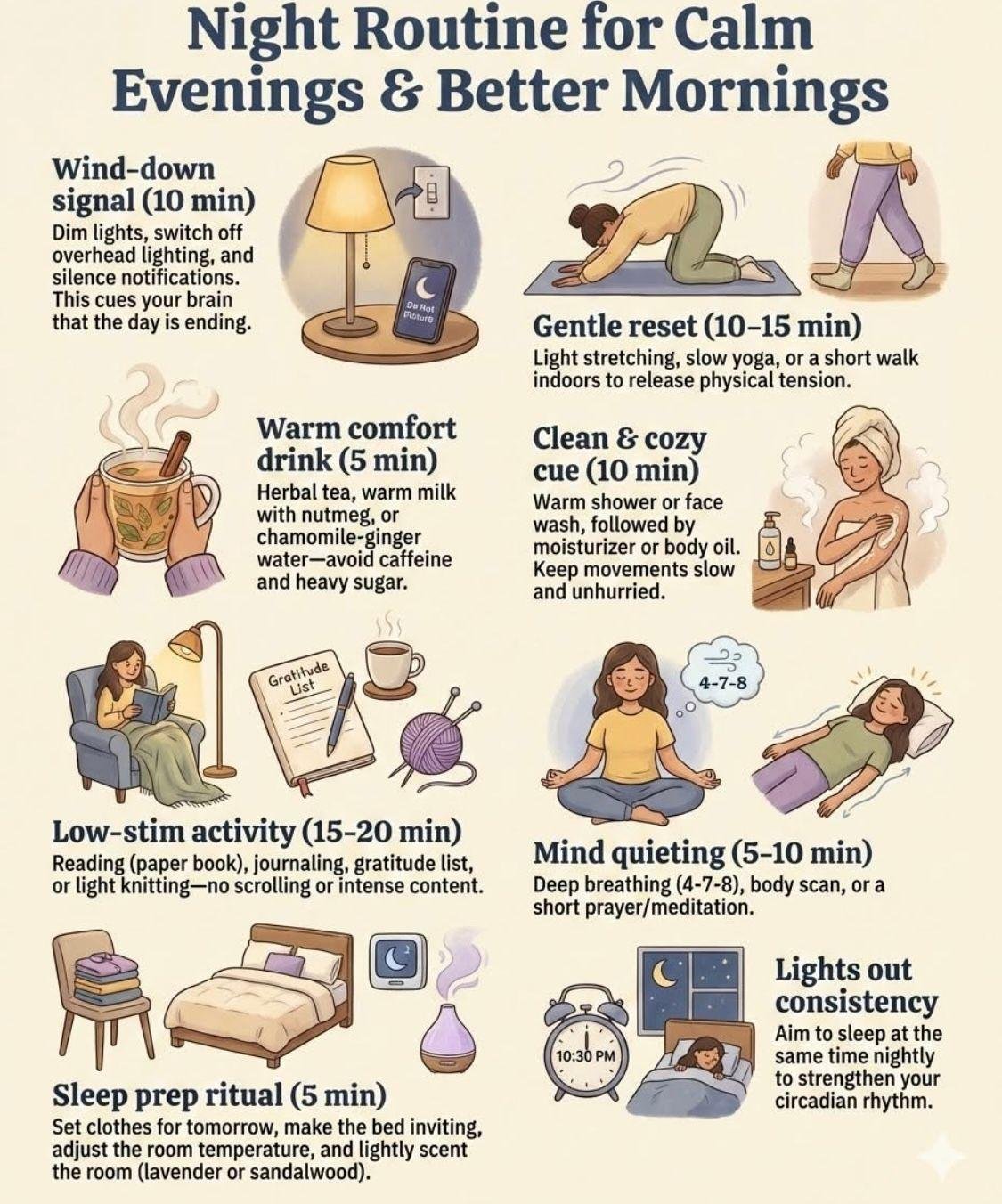
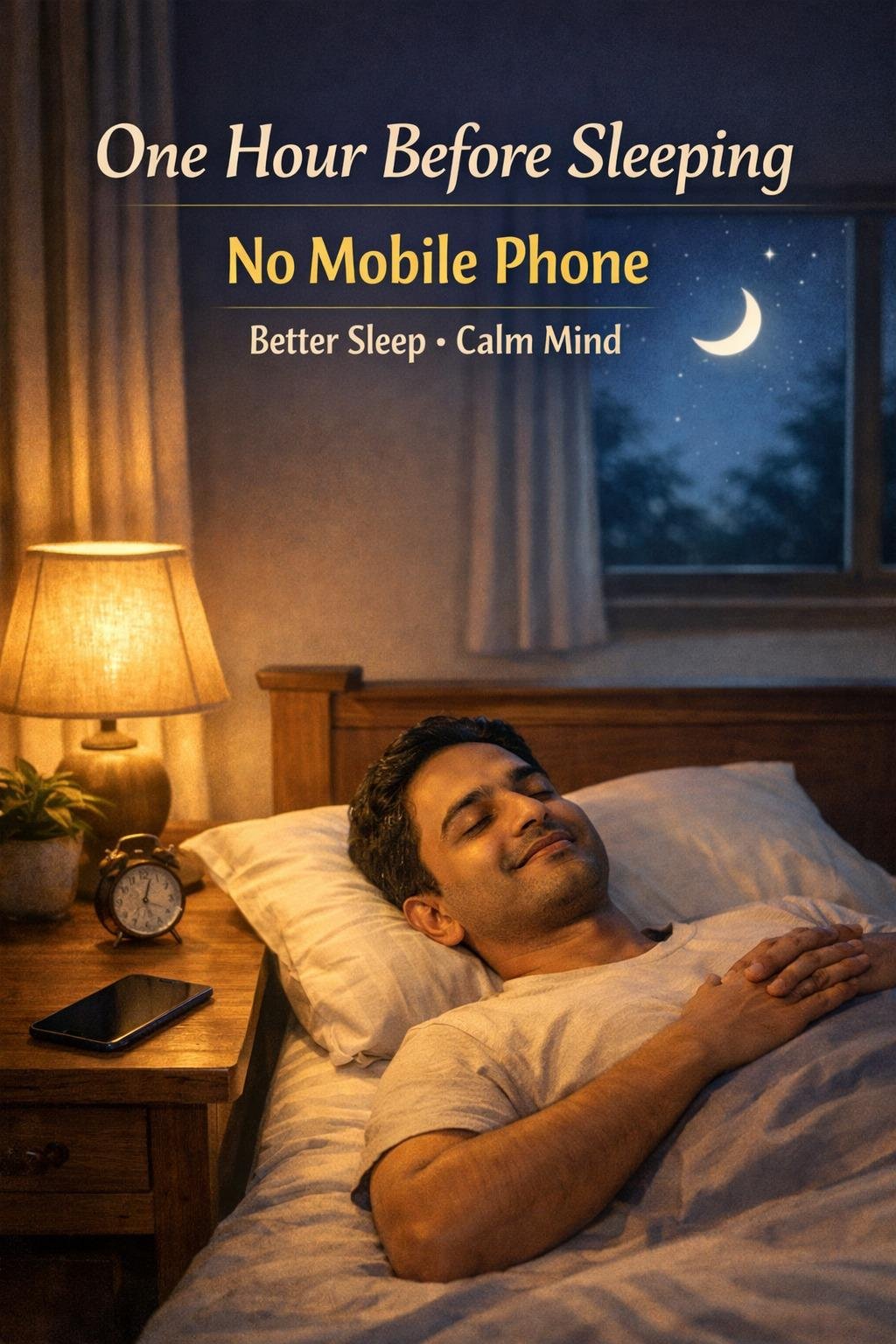

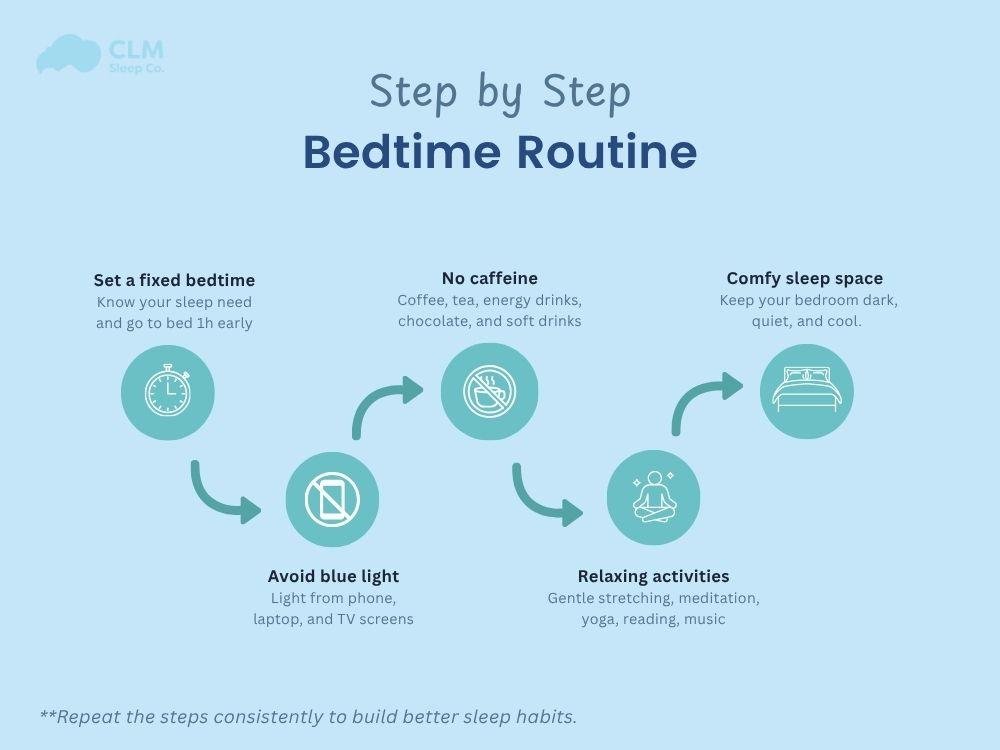

Poor sleep can worsen anxiety.
- Keep a consistent sleep schedule
- Avoid screens before bed
- Create a calm, dark sleeping environment
6. Journaling & Expressing Emotions


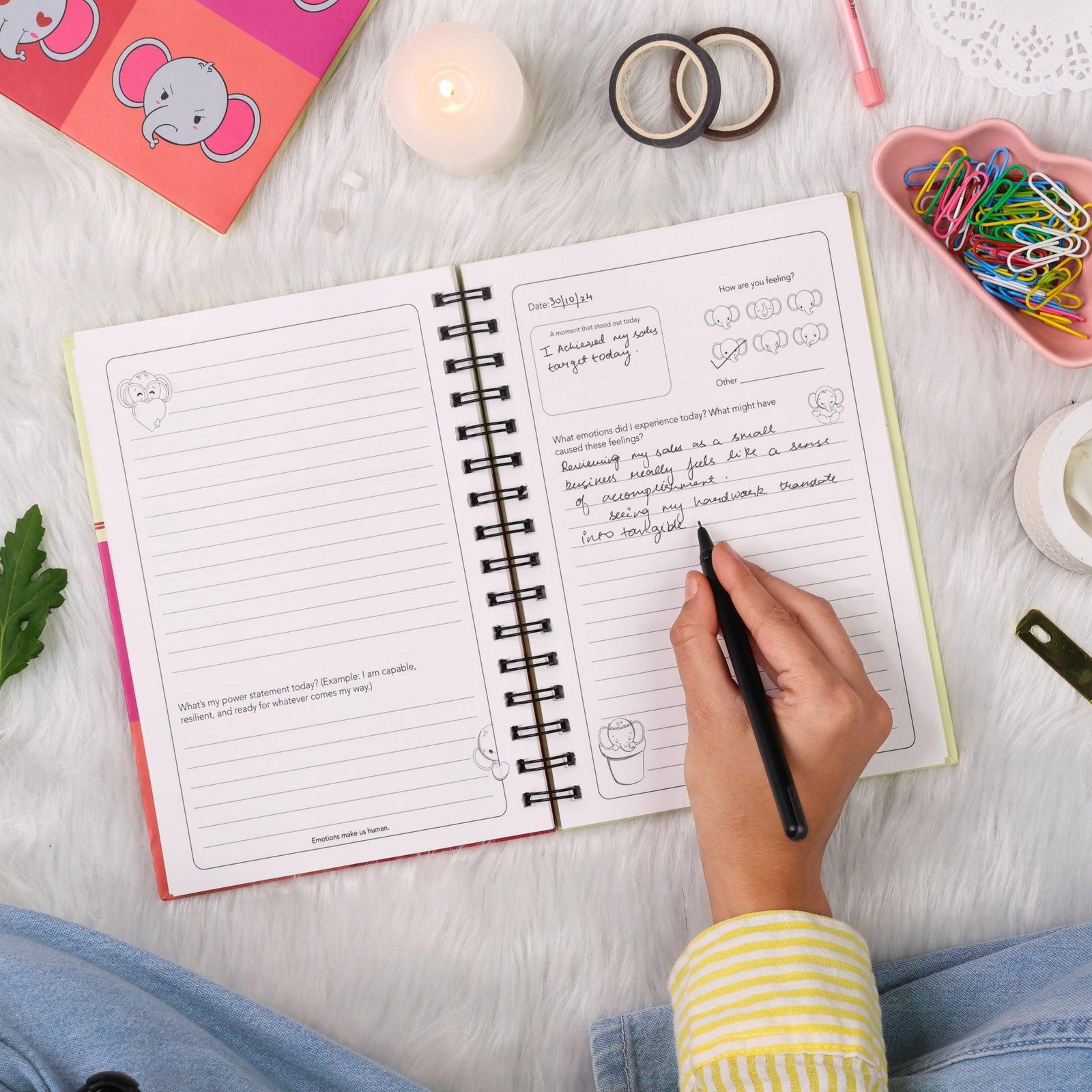


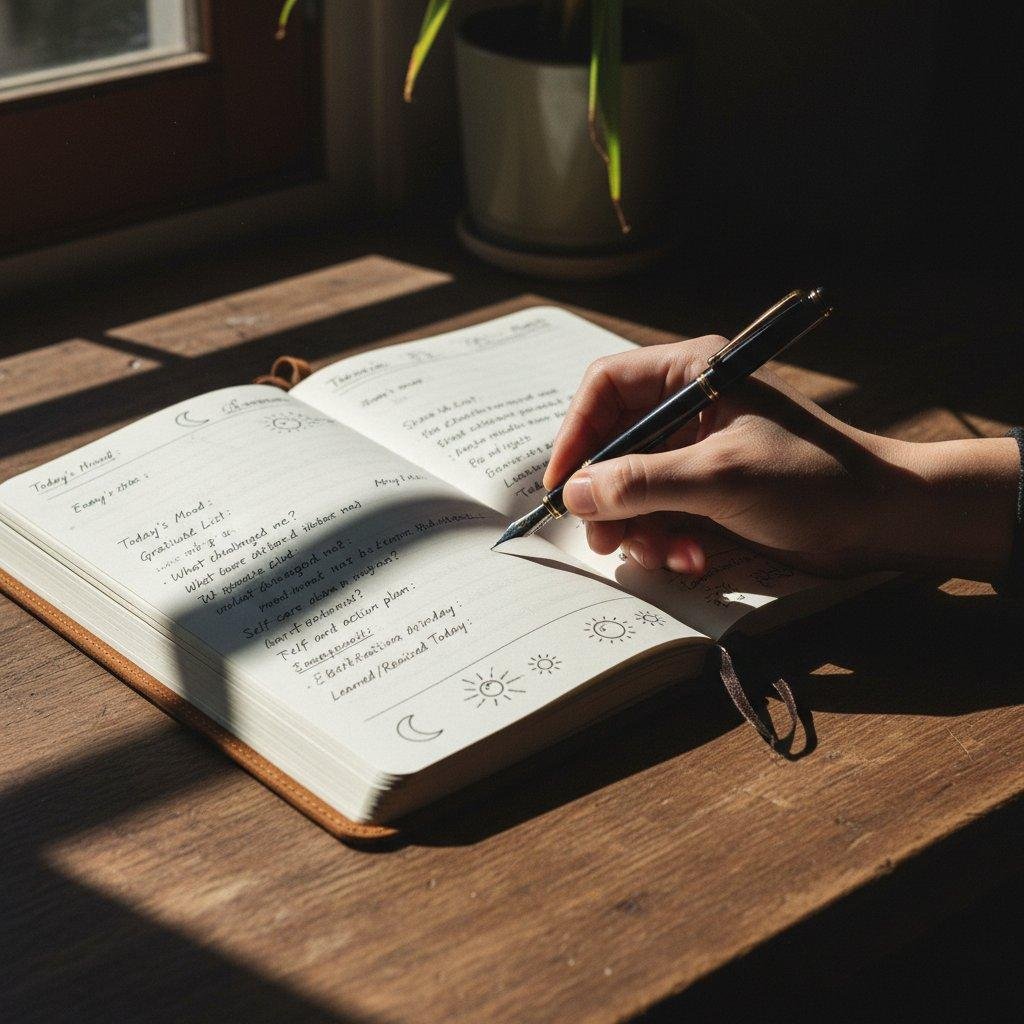

Writing helps release and organize thoughts.
- Note what’s worrying you
- Practice gratitude journaling
- Helps identify triggers and patterns
7. Stay Connected






You don’t have to handle anxiety alone.
- Talk to trusted friends or family
- Join support groups if helpful
- Sharing reduces emotional burden
Spend Time in Nature



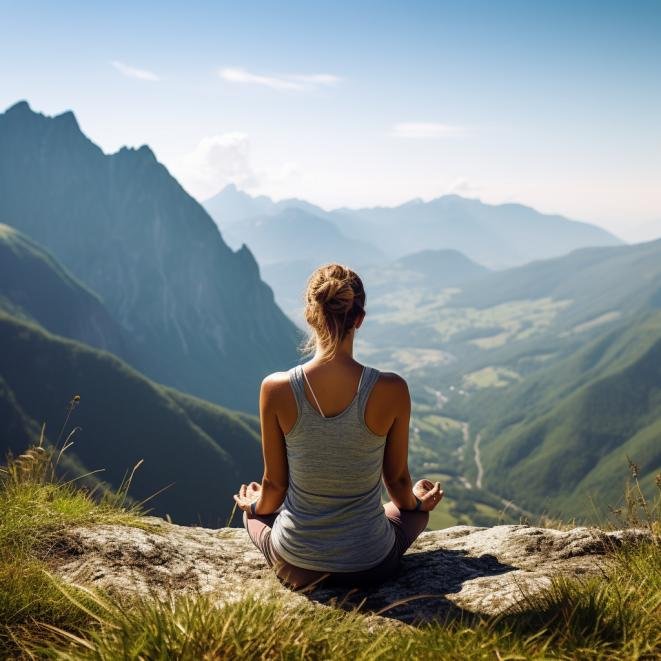



Nature has a powerful calming effect.
- Take short walks outdoors
- Practice grounding (notice sights, sounds, smells)
- Even 10–15 minutes helps
Final Thoughts
Natural methods work best when practiced consistently. You don’t need to do everything—start with 2–3 habits that feel easiest and build from there.
If anxiety feels overwhelming or persistent, consider speaking with a mental health professional—combining natural methods with professional support is often the most effective approach.